
Last updated September 20, 2026
Full 25-point door and opener safety check with every visit - springs, cables, rollers, tracks, and your LiftMaster or Chamberlain opener included
You get a price before we start. It does not change when the truck arrives.
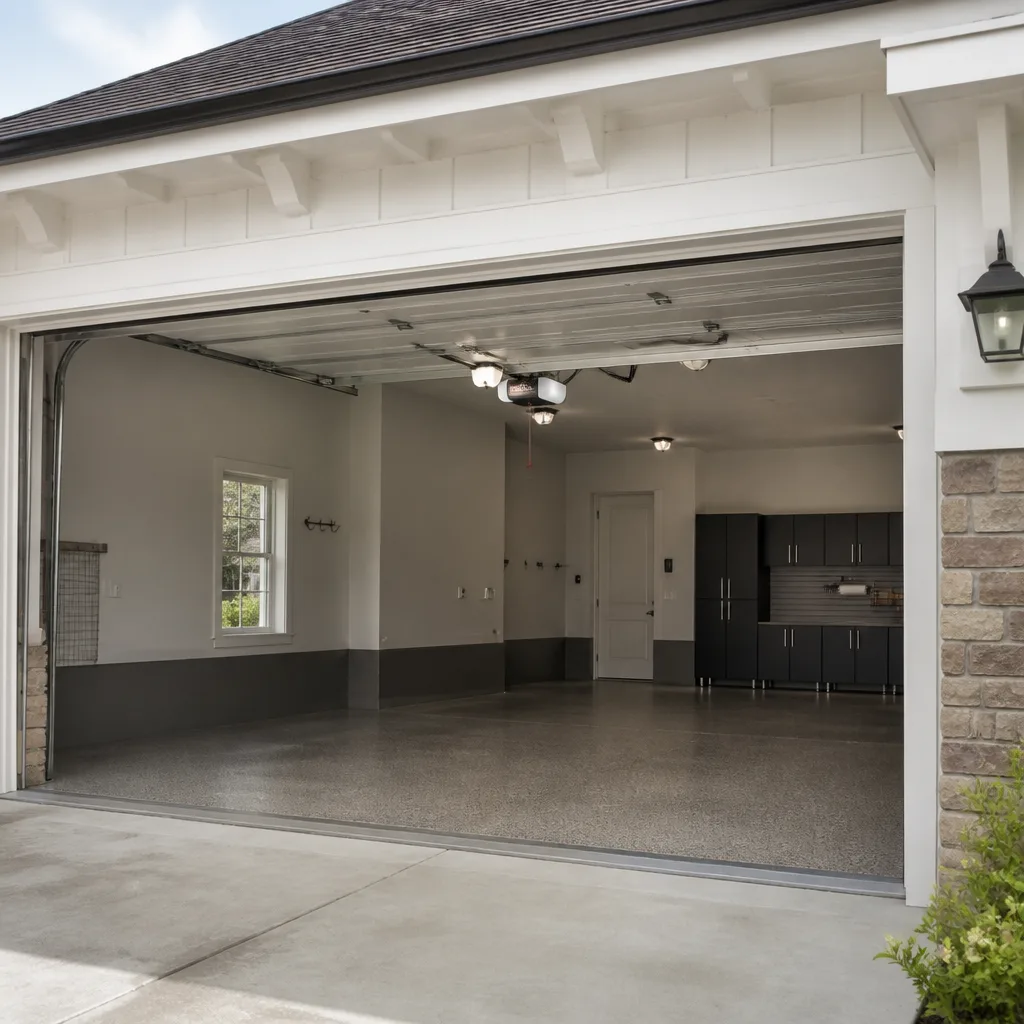
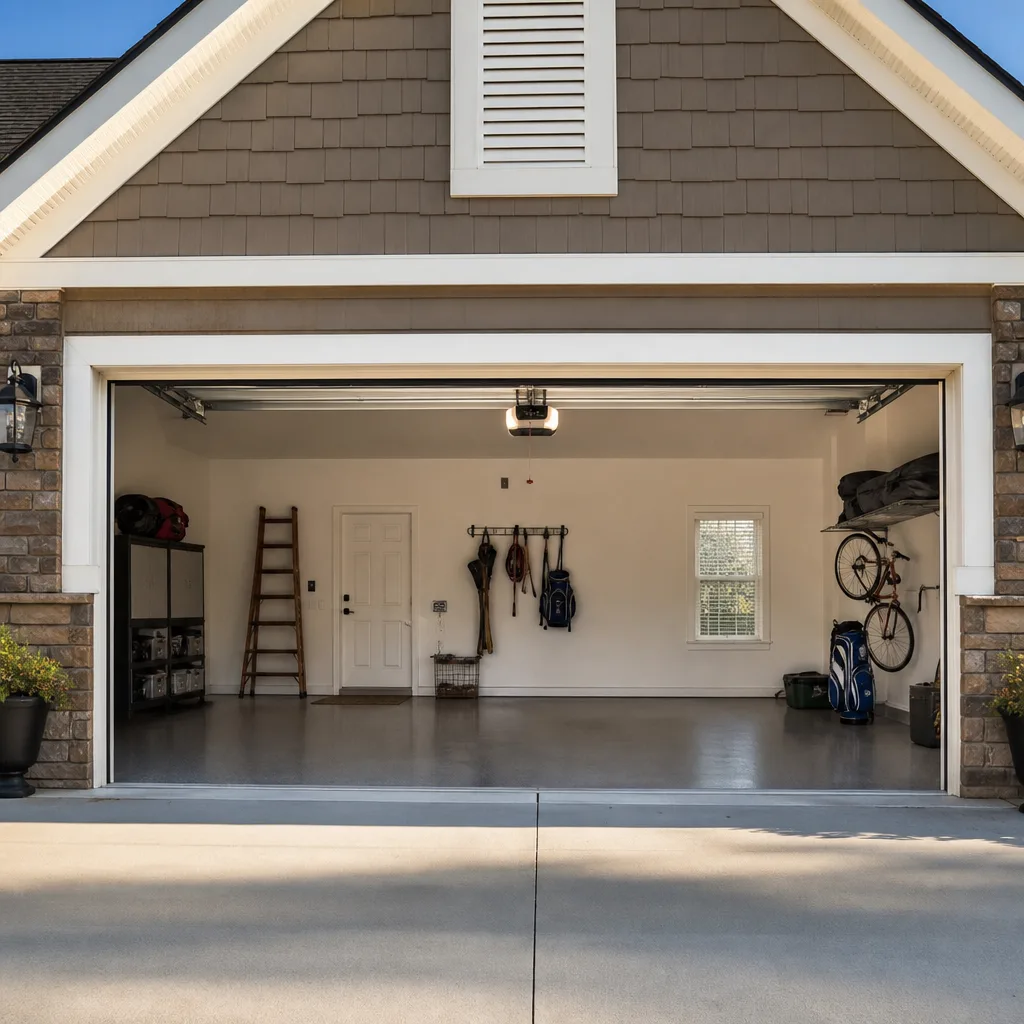
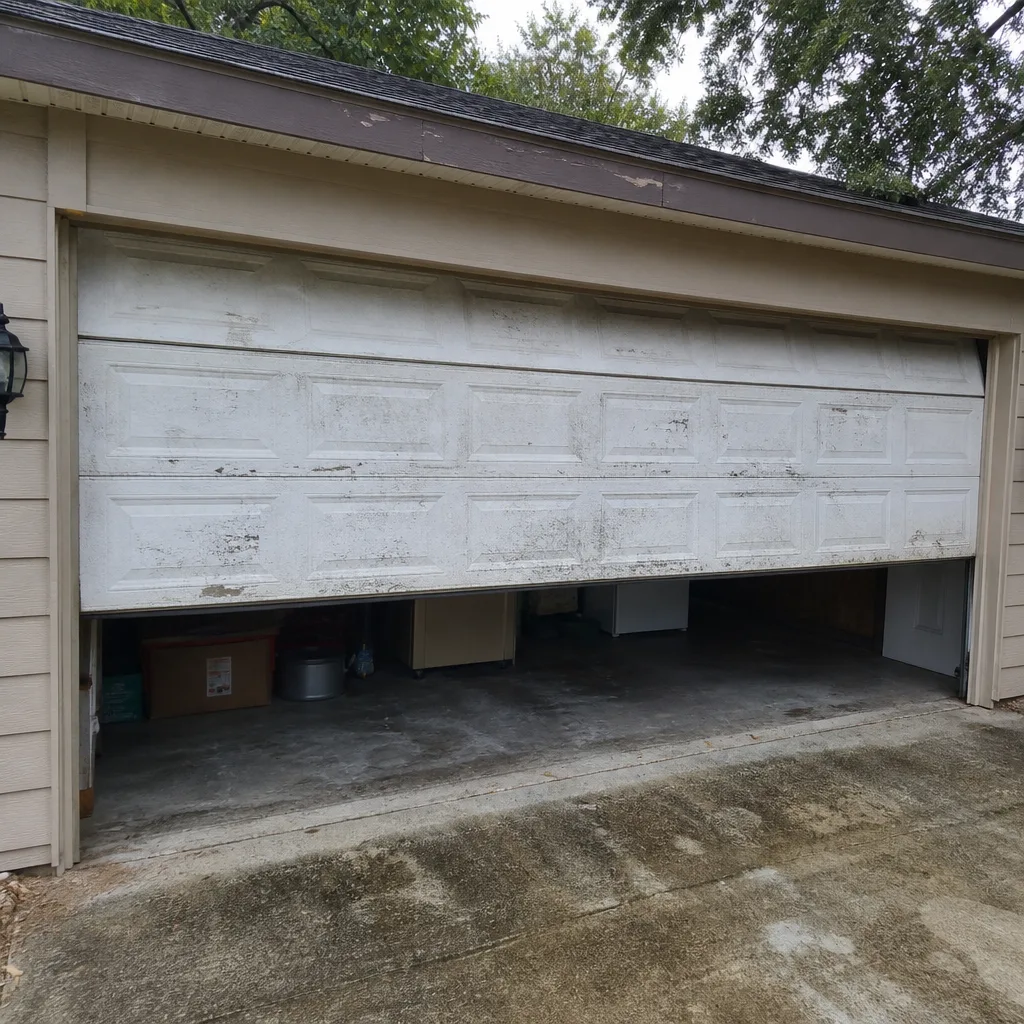 Before
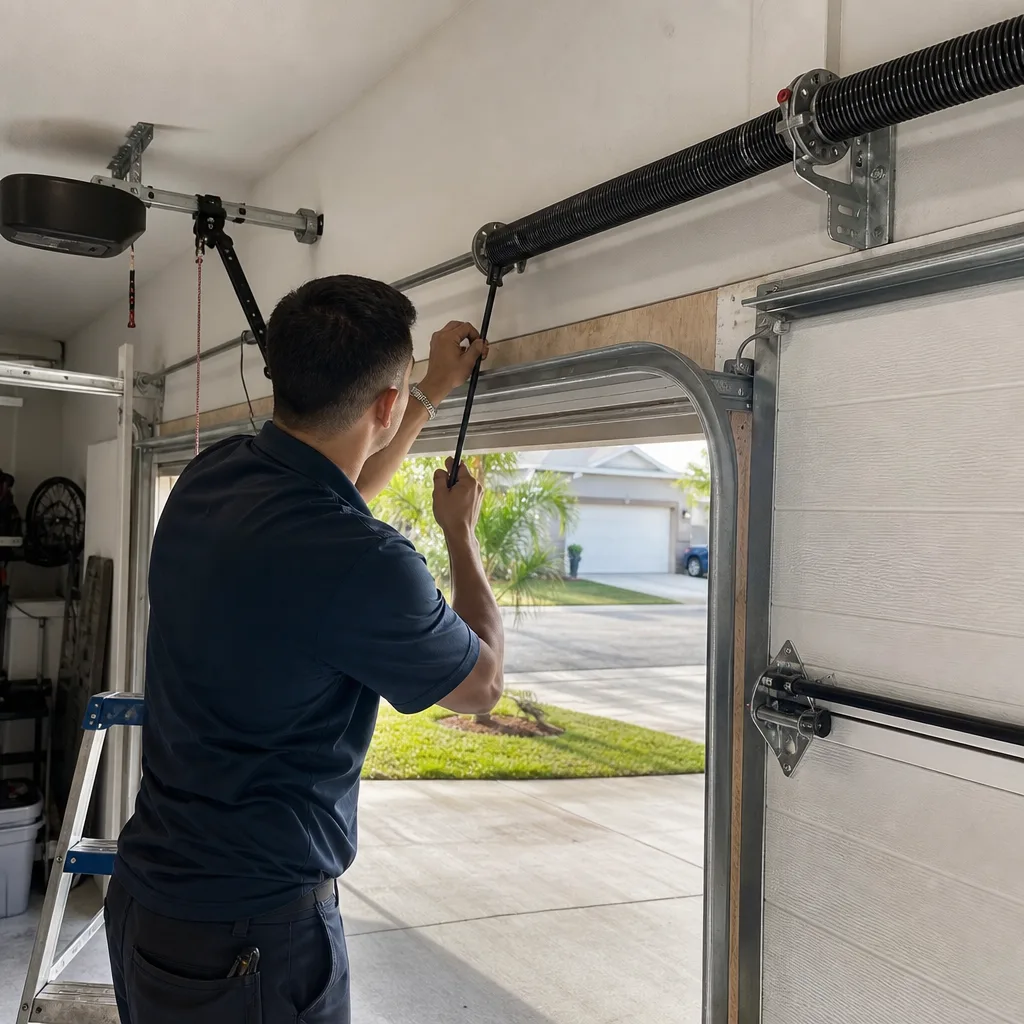 After
After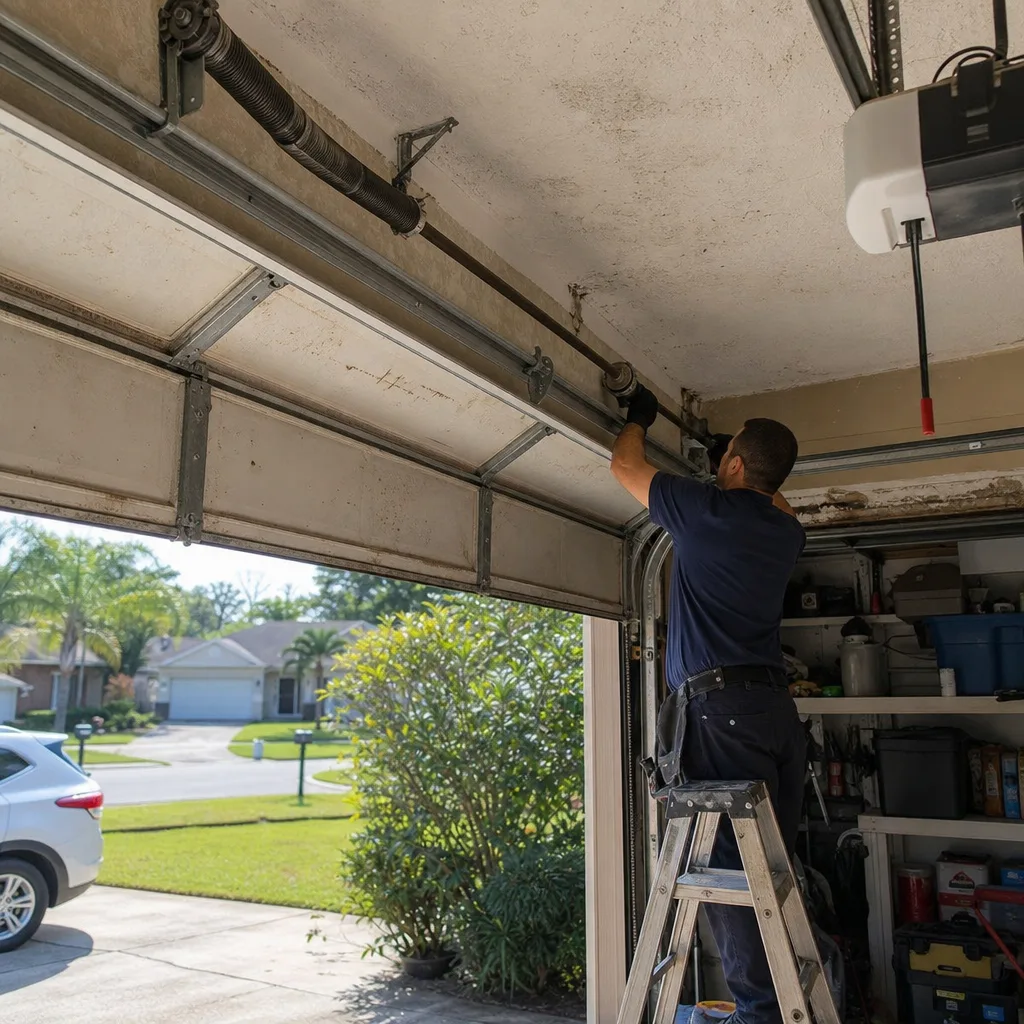 Before
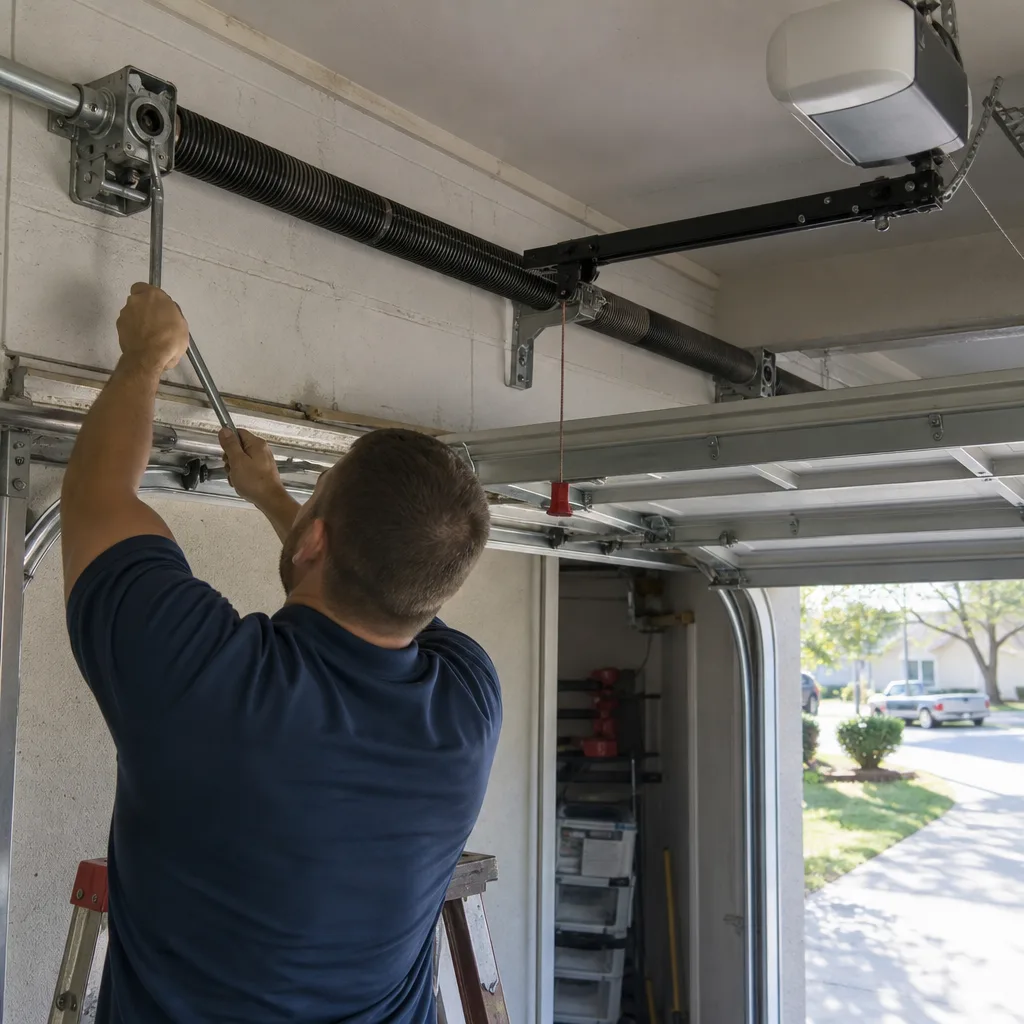 After
After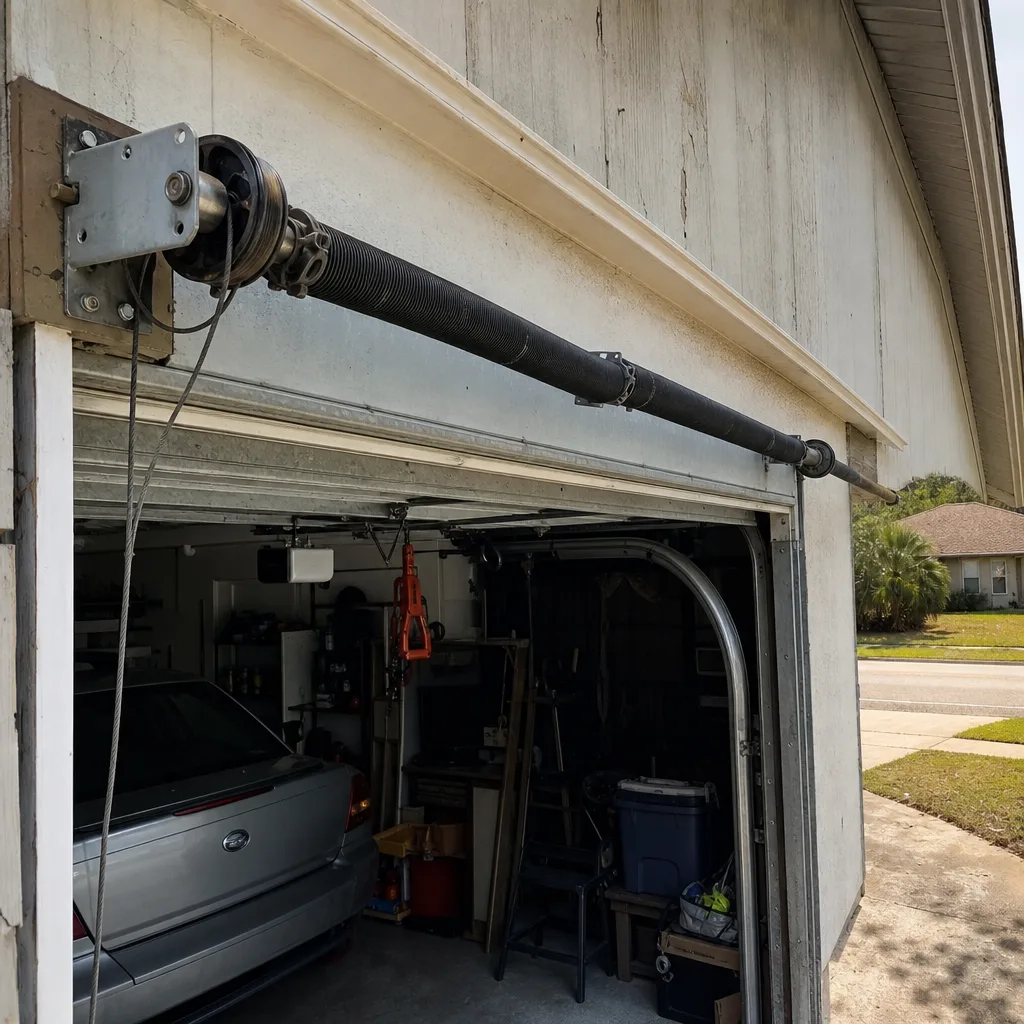 Before
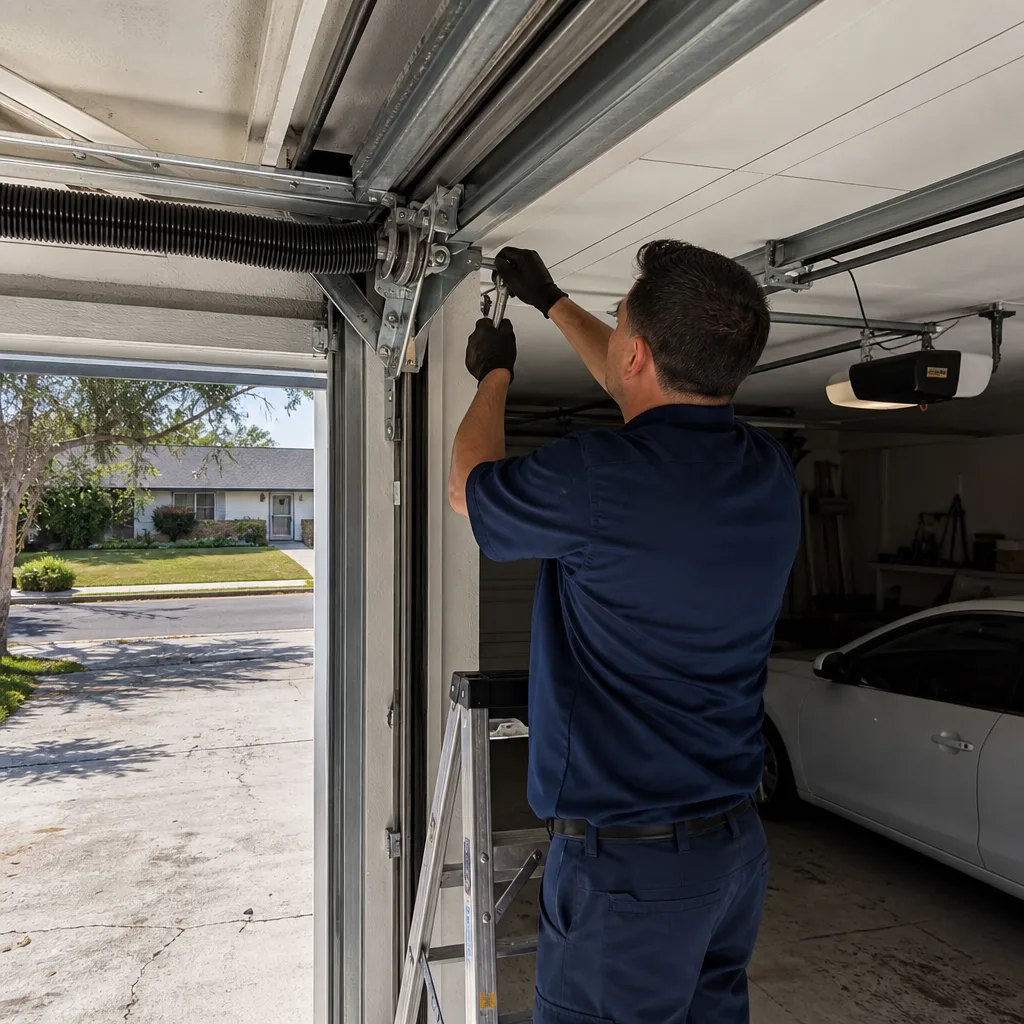 After
AfterGarage Door Permits, Codes & Inspections in FL: What You Need to Know
Most homeowners in Hillsborough County don’t discover they needed a garage door permit until they’re sitting at the closing table, and the buyer’s inspector is pointing at a door that was swapped out three years ago without a piece of paper attached to it. The fix isn’t cheap: the retroactive permit costs more than the original would have, the lender won’t fund until it’s resolved, and if the door doesn’t meet current wind-load ratings for the Brandon area, the whole unit may need to come down and go back up. This guide walks through exactly when Florida law and Hillsborough County code require a permit, what the inspection actually checks, and the documentation you should keep in a file after the work is done. If you live in Brandon, this information applies to your house directly, not in theory.
Quick Answer
In Florida, a building permit is required for any garage door replacement that involves removing the old door and installing a new one, plus any work that alters the opening’s structural framing, affects wind-load resistance, or changes the door’s size. Simple repairs like spring replacement, track alignment, and opener swaps do not require a permit when they are like-for-like replacements that don’t modify the opening, though homeowners should still watch for Garage Door Warning Signs: A Brandon Homeowner’s Reference Guide. In Hillsborough County, the inspection verifies wind-load documentation, structural attachment points, and safety-reverse compliance before the work is signed off.
Table of Contents
- Florida Building Code and the Wind-Load Requirements That Apply to Brandon
- When a Permit Is Required: Full Replacement, Repair, and Like-for-Like Swaps
- How to Pull a Hillsborough County Permit as a Homeowner vs. Using a Licensed Contractor
- What the Hillsborough County Inspection Actually Checks
- HVHZ vs. Non-HVHZ Doors: What Brandon Homeowners Need to Know
- The Paper Trail You Should Keep After a Permitted Installation
- Common Mistakes to Avoid
- When to Call a Professional
- Frequently Asked Questions
BeforeAfterFlorida Building Code and the Wind-Load Requirements That Apply to Brandon
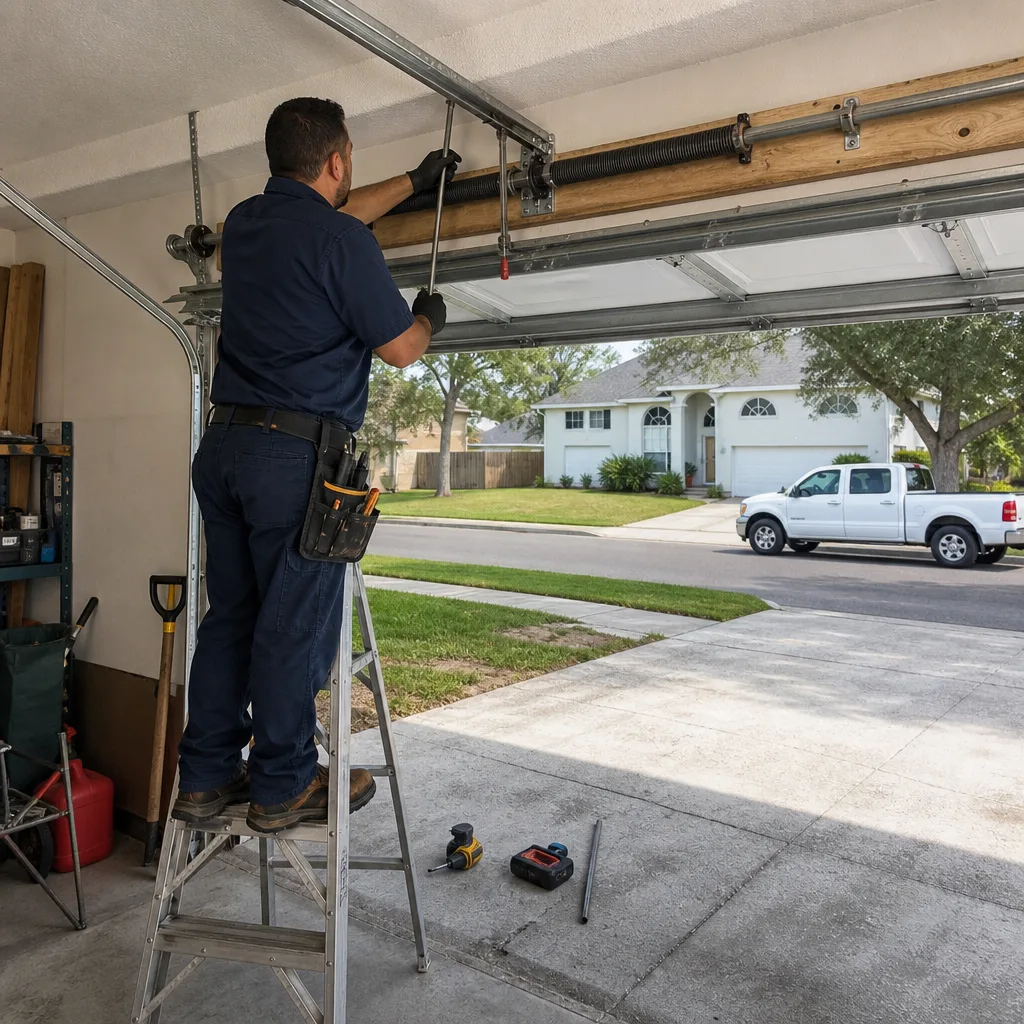
Florida’s building code is stricter than most states for one reason: hurricanes. Every exterior opening, including garage doors, must resist the wind pressures calculated for the specific wind zone where the house sits. Brandon is located in Hillsborough County, which falls under wind speed maps that require garage doors to carry a specific design pressure rating, typically expressed as pounds per square foot, or PSF. A garage door that fails this requirement doesn’t just let wind into the garage. It allows pressure to enter the structure, and that pressure can lift the roof off the walls. That’s the failure sequence the code is written to prevent.
The relevant document is the Florida Building Code, 7th Edition, which incorporated updated wind maps from the American Society of Civil Engineers. For Brandon and most of Hillsborough County, the wind speed used for residential design falls in the 130-to-140 mile-per-hour range depending on the exact parcel and its exposure category. Exposure matters: a house in an open subdivision with no mature trees experiences more wind than a house tucked into an older Brandon neighborhood where 40-year oaks block the gusts. The code assigns exposure categories (B, C, or D) based on surrounding terrain, and the garage door’s required pressure rating scales with that category.
When a manufacturer sells a garage door as wind-rated, they test it to a standard called ANSI/DASMA 108, which measures the door’s ability to withstand positive and negative wind pressure without failing. The product carries a label or documentation showing the design pressure rating, and that documentation is what the Hillsborough County inspector asks for during the permitting process. A door without that documentation cannot be verified, and an unverifiable door is an unpermittable door.
Servo Garage Doors Brandon works with this paperwork on every installation we perform in the Brandon area. The wind-load documentation isn’t an afterthought. It’s part of the file the homeowner receives when the job is finished, and it’s what makes the permit close cleanly. We’ve installed Clopay and Amarr wind-rated doors in Brandon neighborhoods from Bloomingdale to Valrico, and the inspection process is predictable when the paperwork is assembled before the first lag bolt goes in, as detailed in our Garage Door Repair Maintenance Checklist for Brandon Homeowners.
When a Permit Is Required: Full Replacement, Repair, and Like-for-Like Swaps
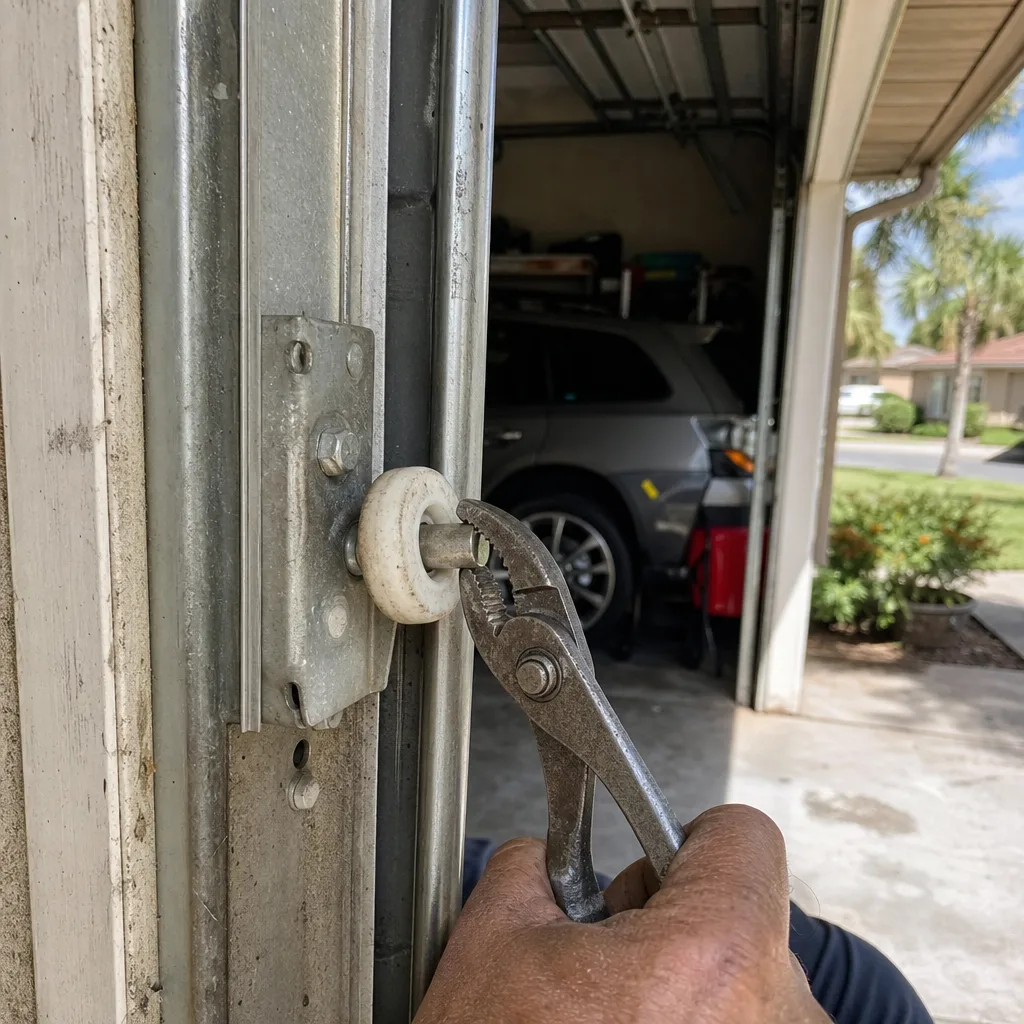
The clearest line in Florida code is this: replacing an entire garage door, including the tracks and hardware, is a structural alteration that requires a permit. The door is part of the building envelope, and changing it changes the wind-load performance of the structure. The permit triggers an inspection, and the inspection verifies that the new door meets current code rather than the code from whenever the house was built. Homeowners in Brandon often assume that swapping an old door for a new one of the same size is a minor job. Florida treats it as a structural change, and Hillsborough County enforces it.
Repairs are different. The Florida Building Code exempts certain work from permitting when it constitutes ordinary repair, defined as work that restores a component to its original condition without changing its size, configuration, or structural properties. Here’s how that applies to garage doors:
- Spring replacement: Replacing a broken torsion spring with an equivalent spring is ordinary repair. No permit required. The spring is a wear part, not a structural component, and swapping it does not alter the door’s wind-load rating.
- Opener replacement: Replacing a garage door opener, even upgrading from a Chamberlain to a LiftMaster unit, does not require a permit because the opener is not part of the building envelope. It’s an appliance mounted to the ceiling and attached to the door.
- Panel replacement: Replacing a single damaged panel on an existing door can be ordinary repair if the panel is from the same manufacturer and the same product line, so the door retains its tested wind-load rating. Mixing panels from different manufacturers may void that rating and could trigger the need for a permit.
- Track replacement: Replacing bent or damaged tracks with the same configuration is a repair. Changing the track configuration, radius, or mounting points crosses into alteration territory, which requires a permit.
- Full door replacement: Removing the old door and installing a new one, regardless of whether the new door is the same size, requires a permit. The only exception is a like-for-like warranty replacement documented by the original manufacturer, and even then, the county may want to see the paperwork.
The phrase “like-for-like” gets used a lot, and it’s worth defining precisely. A like-for-like component swap means the replacement part is functionally identical to the part it replaces: same manufacturer, same part number or equivalent designation, same dimensions, same structural behavior. When the replacement is genuinely like-for-like, the county treats it as repair. When it’s not, the trigger point for a permit has been crossed. In our experience, homeowners underestimate how often a “simple swap” turns out to be an alteration once the old door is off and the framing is exposed.
Servo Garage Doors Brandon has installed over 18,000 garage doors since 2015, and every one of them came with a written price before work started. If the job requires a permit, the permit cost is part of that written price. If the job does not require a permit, the written scope explains why. That’s the difference between a quote and a documented scope of work, and it’s the reason we can tell a homeowner in Brandon exactly what they’re paying for before any tools come off the truck.
How to Pull a Hillsborough County Permit as a Homeowner vs. Using a Licensed Contractor
Florida law allows homeowners to act as their own contractor, known as an owner-builder, for work on their primary residence. That right extends to pulling a garage door permit in Hillsborough County. But the right comes with a set of obligations, and those obligations are where homeowner permits tend to fall apart in the real world.
Here’s the sequence for pulling a permit as an owner-builder in Hillsborough County:
- Prepare the documentation. You’ll need a site plan or survey showing the house location, the manufacturer’s wind-load certification for the specific door you’re installing, and a completed permit application from the Hillsborough County Development Services office.
- Submit the application. Hillsborough County accepts permit applications online through its permitting portal. Fees are based on the valuation of the work. For a typical garage door replacement, the permit fee will run in the low three figures, but the exact number depends on the valuation and the type of inspection required.
- Schedule the inspection. Once the door is installed, you call the county to schedule the structural inspection. The inspector verifies the installation against the submitted documentation.
- Pass the inspection and close the permit. When the inspector signs off, the permit closes, and the documentation goes on file with the county. You keep copies.
The owner-builder path is legal and works well for a homeowner who has the time to manage the paperwork and the technical understanding to complete a wind-rated installation correctly. The catch is that an owner-builder assumes full responsibility for the code compliance of the work. If the door fails inspection because the manufacturer documentation doesn’t match the installed product, the homeowner owns that delay. If the installation doesn’t meet the anchoring requirements, the homeowner owns that correction.
When a licensed contractor performs the work, the contractor pulls the permit under their license, the contractor schedules the inspection, and the contractor is responsible for correcting any deficiencies the inspector finds. The permit record shows the contractor’s state license number, which is a meaningful piece of information: it means a licensed professional attested to the work. For homeowners in Brandon who are buying or selling, a permit closed under a contractor’s license carries more weight than an owner-builder permit, because it demonstrates that a license holder did the work rather than the homeowner acting as their own contractor, which is why our How to Hire a Garage Door Contractor in Brandon: A Step-by-Step Guide matters.
Garage Door Installation in Brandon is the service through which Servo Garage Doors Brandon handles the full permitting process on behalf of homeowners. The permit cost appears in the written price, the permit is pulled under our license, and the inspection is scheduled as part of the job. The homeowner receives a copy of everything: the permit card, the inspection sign-off, and the wind-load certification. That’s the paper trail, and it’s the thing that makes a garage door sale go smoothly five years later.
What the Hillsborough County Inspection Actually Checks
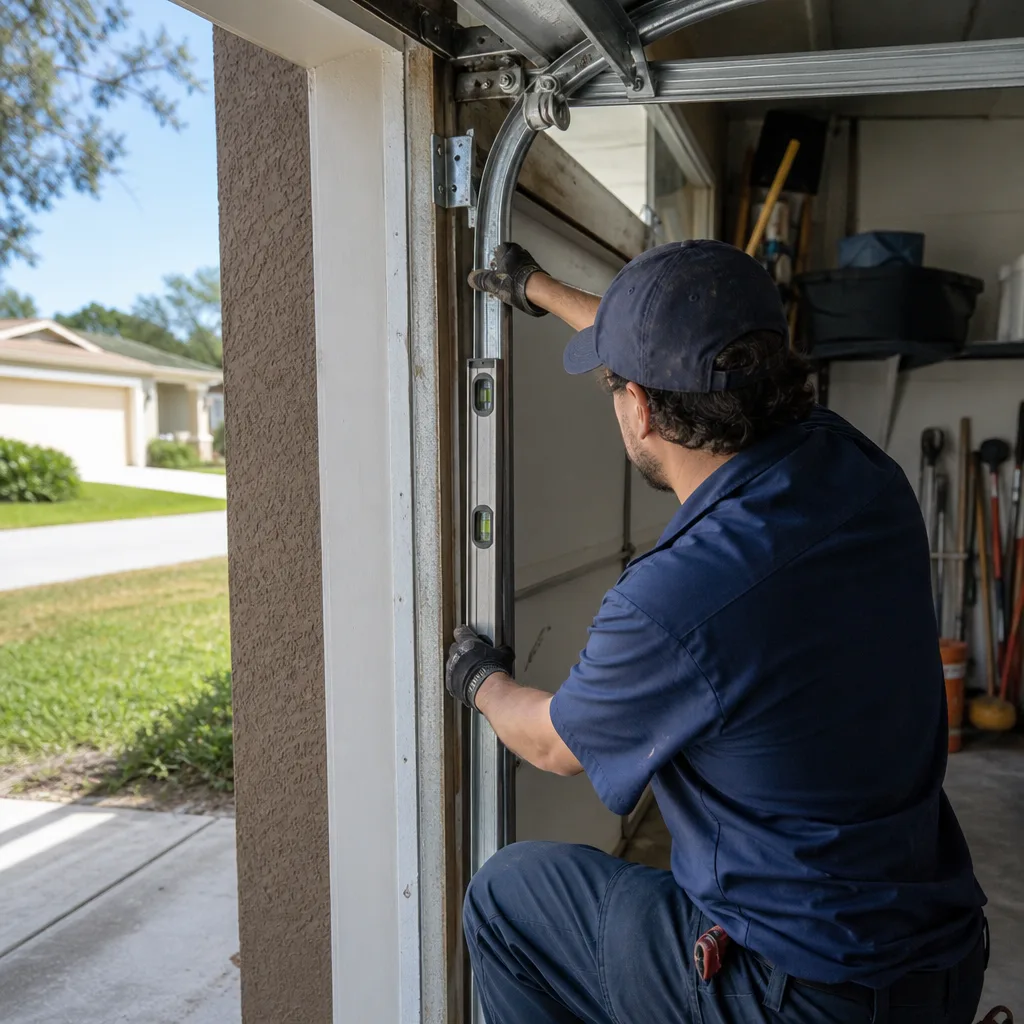
The Hillsborough County inspection for a garage door permit is not a walkthrough. It’s a specific review of structural and safety compliance points, and the inspector has a checklist. Understanding the checklist before installation makes the inspection pass the first time.
The inspection verifies these items:
- Wind-load documentation: The inspector confirms that the installed door matches the manufacturer’s design pressure rating submitted with the permit application. The product label on the door, or the manufacturer’s documentation in hand, must match the paperwork. A mismatch between the submitted rating and the installed product is a failed inspection.
- Structural attachment: The inspector checks how the door assembly is fastened to the building. Horizontal track angles, vertical track brackets, and the jamb base must be secured with the anchoring pattern specified by the manufacturer for the wind zone. In practice, this means verifying lag screw size, spacing, and penetration into the surrounding framing. A door that is beautifully installed but anchored with underspecified fasteners will not pass.
- Opener safety compliance: The inspector tests the opener’s photoelectric sensors and safety reverse function. The door must reverse when an obstruction is placed in its path, and the sensors must be mounted no higher than six inches off the floor. This is a UL 325 requirement that applies regardless of whether the opener is new.
- Jamb and header condition: The inspector verifies that the structural framing around the opening is sound enough to carry the door and its anchoring. Rotted or damaged jamb material must be remediated before the inspection, not after.
For Brandon specifically, the inspector is checking that the door is rated for the wind zone where the house sits. A door rated for a lower wind zone than the parcel requires will not pass, even if it is installed perfectly. That’s the failure mode we see when a homeowner tries to save money by ordering a door online that carries a generic wind rating rather than a Florida-specific design pressure rating. The door arrives, the anchor pattern doesn’t match, the documentation doesn’t line up, and the permit is dead on arrival.
We’ve been through enough of these inspections in Hillsborough County to know what the inspector will ask for before they ask for it. Clause 4 of The Haven Standard, the system Servo Garage Doors Brandon operates under, requires a documented photo record of findings and completed work on every visit. When the inspector asks about the anchoring pattern behind the track brackets, we can show them the photos of the bracket installation before the trim went back on. It’s not that the inspector doesn’t trust the work. It’s that the documentation makes the verification faster, and a faster inspection is a faster permit close.
HVHZ vs. Non-HVHZ Doors: What Brandon Homeowners Need to Know
Florida’s building code divides the state into wind zones, and the most demanding of these is the High Velocity Hurricane Zone, or HVHZ. The HVHZ encompasses Miami-Dade and Broward counties, where the wind-load testing standards are exceptionally rigorous, and products must undergo a specific approval process through the Miami-Dade County product control program. Brandon is not in the HVHZ. Hillsborough County falls under the standard Florida Building Code wind provisions, not the special Miami-Dade requirements.
What this means in practical terms is that a garage door installed in Brandon does not need to carry a Miami-Dade NOA (Notice of Acceptance), the product approval that HVHZ jurisdictions require. A Brandon door needs to carry a design pressure rating, usually expressed in PSF, that meets or exceeds the wind load calculated for the specific parcel. Some manufacturers market their doors as “Miami-Dade approved” as a point of pride, and a Hurricane-rated door with a Miami-Dade approval will certainly meet Brandon’s requirements, but it’s over-engineering for Hillsborough County. The extra cost is real, and the performance benefit is not.
The brands that dominate the Florida garage door market understand this distinction. Clopay and Amarr both manufacture wind-rated doors that carry Florida Product Approval listings, meaning the Florida Department of Business and Professional Regulation has evaluated and approved the product for use in Florida wind zones outside the HVHZ. That approval listing is the documentation the Hillsborough County inspector wants to see. LiftMaster and Genie door openers don’t have the same wind-load concern because openers aren’t part of the building envelope, but their safety features are part of the inspection checklist.
For a homeowner choosing a door in Brandon, the decision tree is straightforward: look for a door with a Florida Product Approval listing that meets the PSF requirement for the specific address, confirm the wind-load documentation is available before installation, and keep it with the permit paperwork after the job is done. The door’s PSF rating should be printed on the product label, and that label should match the permit application. This level of specificity sounds rigorous because it is, and it’s exactly what the county is checking.
Servo Garage Doors Brandon works with wind-rated doors from Clopay and Amarr for installations in the Brandon market, and we’ve seen the range of product approvals that apply to Hillsborough County. The wind-load documentation isn’t a pile of paper we hand over at the end and never look at again. It’s the document the inspector reads line by line, and we make sure it’s the correct one for the address.
The Paper Trail You Should Keep After a Permitted Installation
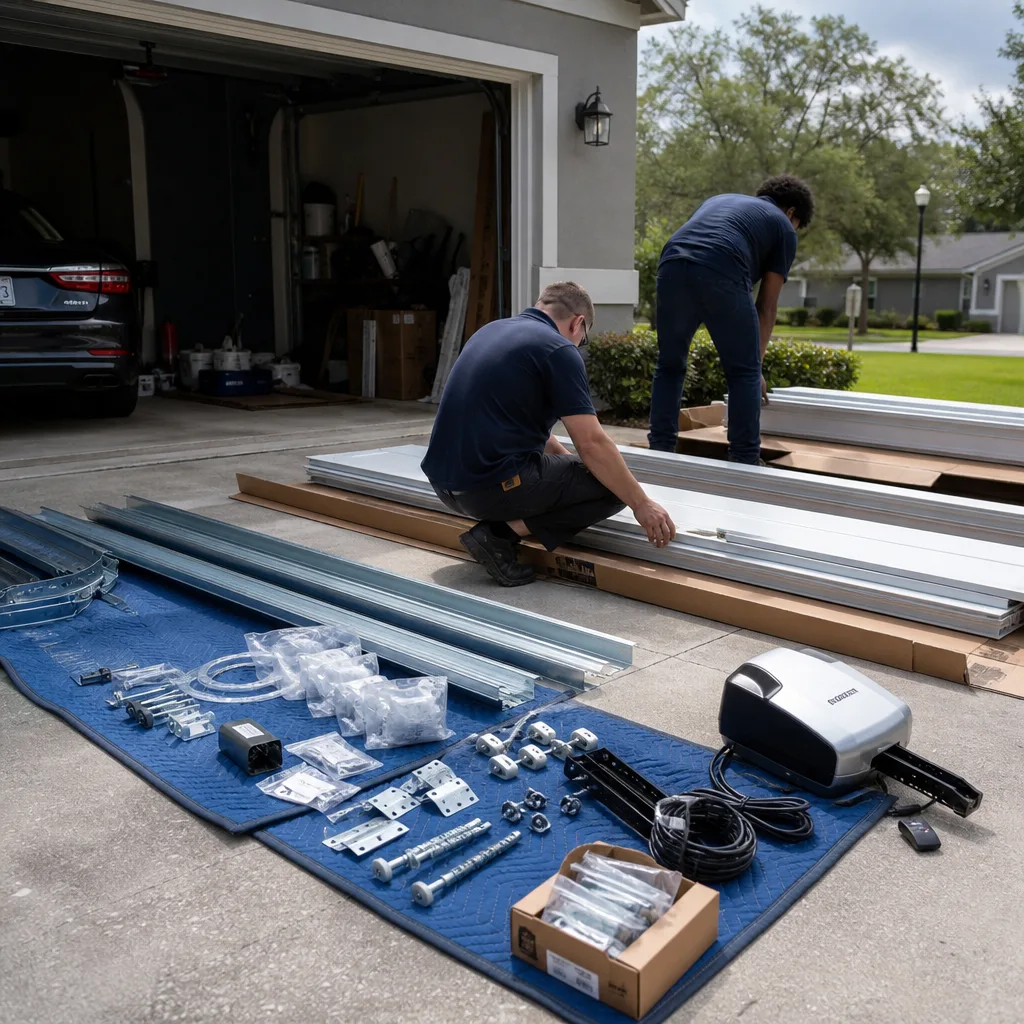
When you replace a garage door in Hillsborough County with a permit, you finish the job with more than a door that opens and closes. You finish with a stack of paperwork. Most homeowners stash it in a drawer and never think about it again until they sell the house, at which point that stack of paperwork is the difference between a clean closing and a delayed one; for more guides & resources on protecting your home’s value, see our blog.
Here’s the documentation you should retain after a permitted garage door installation in Brandon:
- The permit card: This is the official document from Hillsborough County showing that a permit was issued for the work. It carries the permit number and the contractor’s license number. Keep it with the house records, not in the garage.
- The inspection sign-off: When the county inspector passes the work, the inspection record is updated in the county’s system. You should receive confirmation that the inspection passed and the permit was closed. Print it. File it.
- The manufacturer’s wind-load certification: This is the document from the door manufacturer, usually a Florida Product Approval listing or a design pressure rating certificate, that confirms the door meets the wind requirements for Florida. Keep the original.
- The product label photograph: The door itself carries a label with its wind-load rating and product identification. A photo of that label, filed with the other paperwork, completes the record.
- The installation photo record: Photos showing the anchoring, the framing condition, and the finished installation are valuable evidence if a question arises later. Servo’s documented photo record, included on every visit under The Haven Standard, provides this automatically.
- The written scope and price: The document that described exactly what was installed and what it cost before work began. It’s not a permit document, but it’s part of the record that demonstrates the work was planned and executed properly.
When you sell a house in Brandon, the buyer’s inspector will look at the garage door. If the door has been replaced and there’s no permit record, the inspector will flag it. The lender will then require resolution before closing, and the resolution is either a retroactive permit with whatever corrections that entails, or a price concession from the seller to cover the buyer’s risk. A complete paper trail eliminates that conversation before it starts.
At Servo Garage Doors Brandon home, we build this paper trail into every permitted installation. The permit is pulled under our license, the inspection is scheduled and passed, and the homeowner receives the full documentation set in one file. When a homeowner calls us five years later asking for a copy of a wind-load certification because their buyer’s lender requested it, we can typically produce it quickly because the records were organized at the time of the work, not reconstructed from memory.
Common Mistakes to Avoid
- Skipping the permit because the door is “the same size.” Size is not the only variable. A same-size replacement still alters the building envelope, and Hillsborough County requires a permit regardless of whether the new door is dimensionally identical to the old one.
- Ordering an out-of-state door without Florida wind-load documentation. A garage door that carries a generic wind rating from a national manufacturer may not meet Florida’s specific Product Approval requirements. The door arrives, the documentation doesn’t match, and the permit is stuck.
- Swapping panels across manufacturers on an existing wind-rated door. The original door’s wind-load rating was tested on the assembly as a whole. Mixing a panel from a different manufacturer voids that rating, and the door is no longer code-compliant.
- Replacing a wind-rated door with a standard door during a budget remodel. The house was built to a specific wind design. Downgrading the door to save a few hundred dollars creates a code violation that a future buyer’s inspector will flag.
- Forgetting to close out the permit after the inspection. A permit that is issued but not closed is an open record with the county. It shows up in property records as unfinished, and it complicates a future sale until it’s resolved.
- Acting as an owner-builder without understanding the liability. The owner-builder path is legal in Florida, but it shifts responsibility for code compliance onto the homeowner. If the installation fails inspection, the homeowner fixes it at their own cost.
- Thinking the opener is part of the door permit. Opener replacement doesn’t require a permit because the opener is not part of the building envelope. But the door replacement that may happen alongside it does require one.
When to Call a Professional
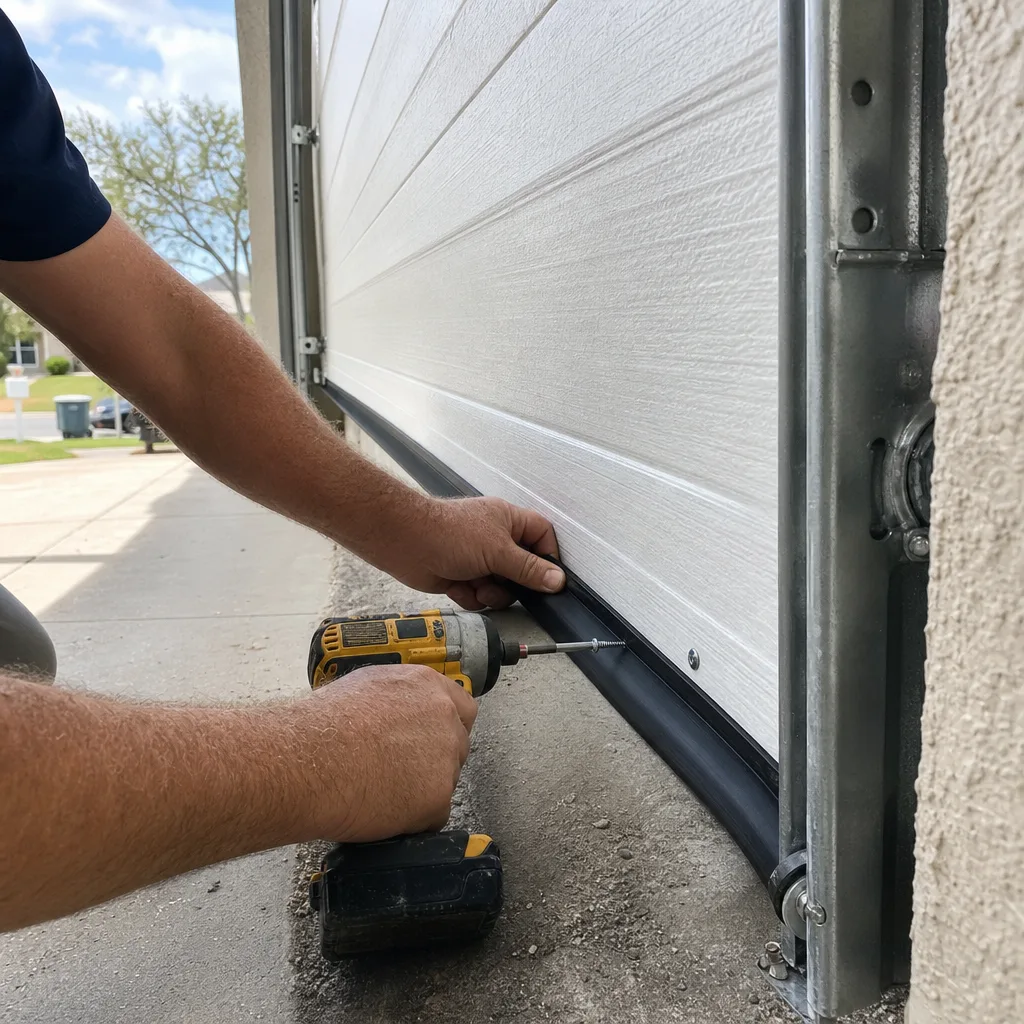
Call a professional when the job involves removing an exterior garage door from its opening, when the framing will be altered, or when you’re not certain whether the existing door carries a valid wind-load rating. These are the situations where the permit process has teeth, and where guessing wrong creates a problem that surfaces during a home sale rather than during the installation. A licensed contractor manages the permit, schedules the inspection, and stands behind the work under their license. Servo Garage Doors Brandon offers free estimates in Brandon, and that estimate includes the permit cost written into the price. Call (656) 216-3212 to get the written scope and price before any work begins. For opener-only issues, Garage Door Opener Repair & Installation in Brandon covers repairs and replacements that don’t trigger the permit requirement.
Frequently Asked Questions
Yes, a permit is required for a full garage door replacement in Hillsborough County because the door is part of the building envelope and changing it affects the structure’s wind-load performance. The permit triggers an inspection that verifies the new door meets Florida Building Code requirements for the specific wind zone where your Brandon home sits. Repairs like spring replacement or opener swap do not require a permit.
The permit fee for a garage door replacement in Hillsborough County is based on the valuation of the work and typically falls in the low three figures, but the total cost includes the permit fee plus any inspection fees. The exact number depends on the specifics of the job, and a licensed contractor will include the permit cost in the written price rather than as a surprise line item. Call (656) 216-3212 for an exact quote on your specific replacement, including all permit costs.
An unpermitted garage door installation surfaces during a home sale when the buyer’s inspector checks county records and finds no permit for the work. The lender then requires a retroactive permit before funding, which involves fees, an inspection, and potentially a full reinstall if the door doesn’t meet current wind-load requirements. In Brandon’s real estate market, this is a known closing obstacle that can be avoided entirely by permitting the work correctly the first time.
No, a garage door opener replacement does not require a permit in Florida because the opener is not part of the building envelope and does not affect the structure’s wind resistance. The opener is treated as an appliance, and replacing a Chamberlain with a LiftMaster unit, for example, is outside the permit trigger. However, the opener’s safety features, including the photoelectric sensors and auto-reverse mechanism, are still subject to inspection if a door replacement permit is part of the job.
A wind-load rating is a manufacturer-certified measure of the wind pressure, expressed in PSF, that a garage door can withstand without structural failure, and it matters because Florida Building Code requires doors to meet the calculated wind load for the specific parcel. A door that fails under wind pressure allows pressure into the garage, which can lead to roof structural failure. Hillsborough County inspectors verify the rating through manufacturer documentation during the permit inspection.
Yes, Florida law allows homeowners to act as owner-builders and pull their own permits for work on a primary residence, including garage door replacement in Hillsborough County. The owner-builder route requires you to prepare the documentation, pull the permit, schedule the inspection, and assume legal responsibility for code compliance. When a licensed contractor pulls the permit, the contractor’s license is attached to the permit record, and the contractor is responsible for passing the inspection.
The Bottom Line
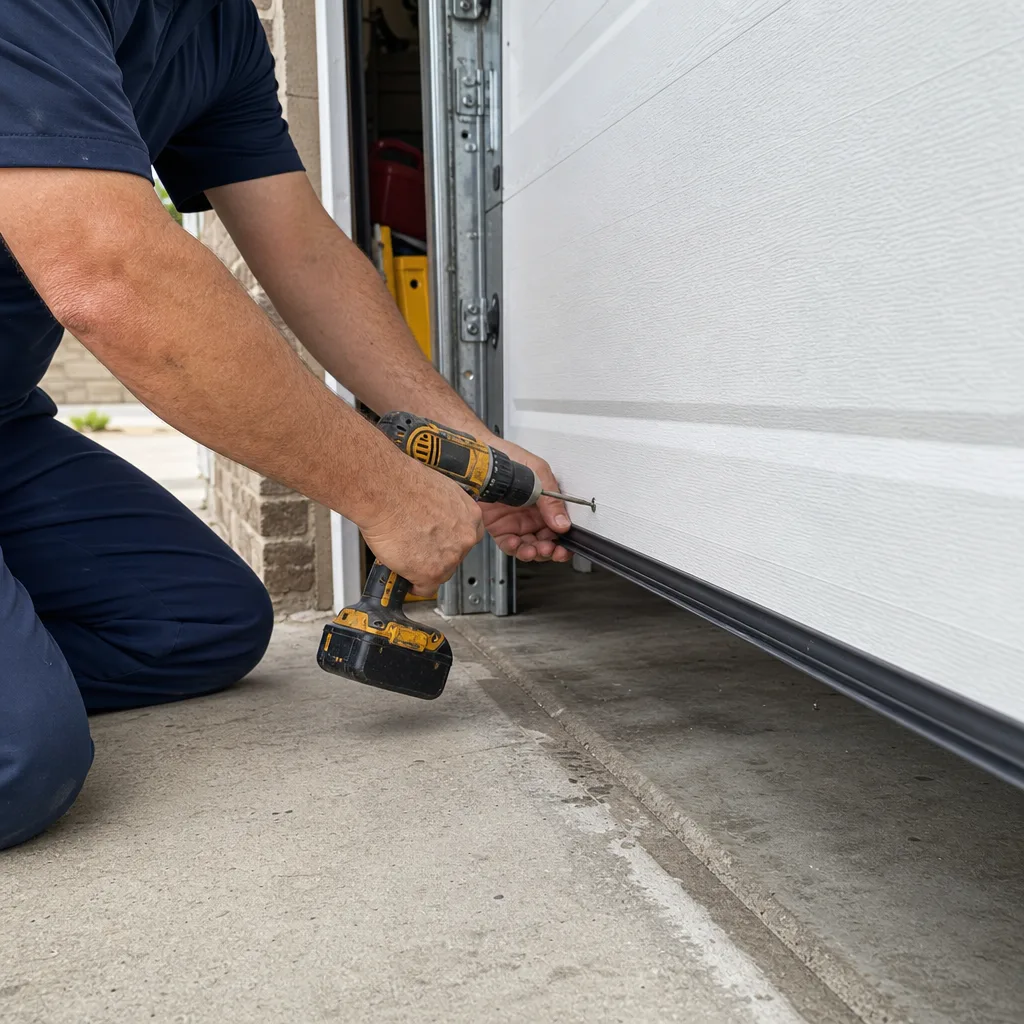
Garage door permitting in Florida is not a bureaucratic checkbox. It’s a structural requirement tied to wind-load engineering, and Hillsborough County enforces it because a failed garage door in a wind event can trigger a roof failure. For homeowners in Brandon, the practical path is clear: pull a permit for full replacements, document like-for-like repairs so the determination is defensible, keep the complete paper trail, and hire a licensed contractor for the work that requires a permit. At Servo Garage Doors Brandon, the permit is part of the written price, the documentation is part of the job, and the paper trail is delivered to the homeowner. For any repair that doesn’t require a permit, Garage Door Repair in Brandon covers the full scope of non-structural work. Call (656) 216-3212 for a free estimate with a written price before any work starts.
Written by Marcus Deller, Owner at Servo Garage Doors Brandon, serving Brandon since 2015.